
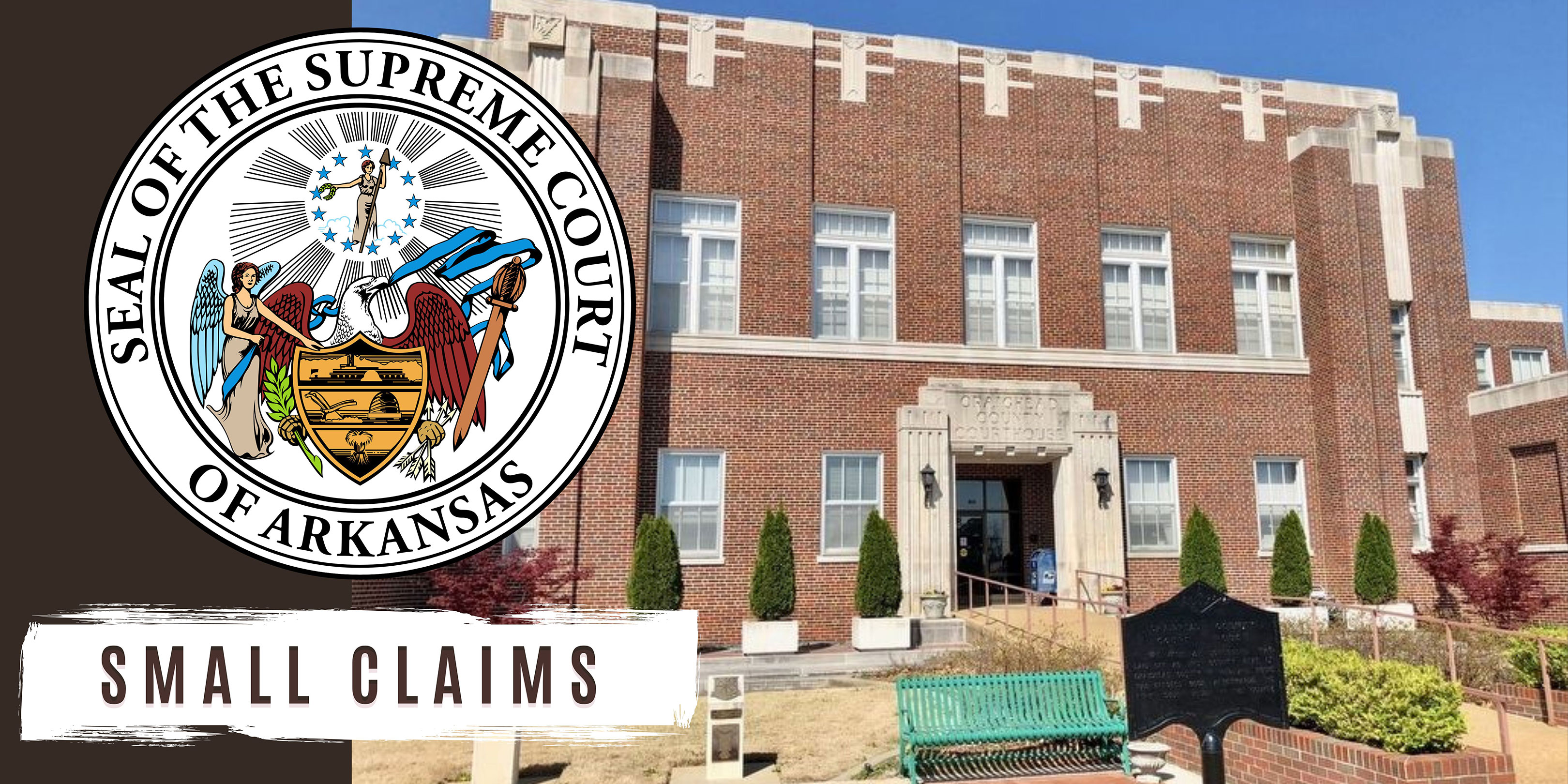
Small Claims Court in Graighead County
In Graighead County, AR small claims cases are filed in the Circuit Court. Graighead County has one District Court that handles small claims, serving different jurisdictions.
Squabble is here to assist you in navigating the small claims court system and filing a claim with ease. We recognize that not everyone is a legal expert, and our goal is to simplify the process for you. This guide will answer your questions about filing claims in the Graighead Court System.
Small Claims Court
If you live in Graighead County, Arkansas, and need to take someone to court over a small amount of money — maybe for an unpaid bill, a bad repair job, or money you loaned a friend — Small Claims Court is where you can go for help.
In Graighead County, small claims cases are handled by the District Court, which operates under the Graighead County Circuit Court. Each district court in Arkansas has a small claims division created to help everyday people settle simple disputes without needing a lawyer.
At Squabble, we know legal forms and court rules can feel overwhelming. That’s why this guide walks you through everything — step by step — so you can feel confident about filing your claim and knowing what to expect.
What Is a Small Claims Court?
Sometimes, life throws us curveballs — a friend doesn’t pay back borrowed money, a contractor doesn’t finish a job, or someone damages your property and won’t make it right.
If you live in Graighead County, Arkansas, and the amount in question is $5,000 or less, you don’t have to hire a lawyer or spend a fortune to seek justice. You can take your case to Small Claims Court.
What Exactly Is Small Claims Court?
Small Claims Court is a part of the District Court system that handles simple disputes quickly and affordably.
It’s designed for regular people, not lawyers — meaning the rules are simpler, the process is faster, and you can usually handle everything on your own.
If you’re 18 or older, you can file a small claims case. If you’re under 18, a parent or guardian must do it for you.
However, not everyone can file. For example, collection agencies and lending companies aren’t allowed to use Small Claims Court — it’s meant for individuals, not businesses that deal in debt collection.
When Small Claims Court Can Help
You can take someone to Small Claims Court for many everyday issues, such as:
- Someone owes you money and refuses to pay
- Property damage caused by another person
- Problems with a service or contract
- Issues with a landlord or security deposit
- Personal items that were never returned or delivered
As long as your dispute involves $5,000 or less, it likely qualifies.
What Small Claims Court Doesn’t Cover
Some matters are too complex for Small Claims Court. You cannot file cases involving:
- Divorce or custody issues
- Guardianships
- Name changes
- Bankruptcy
- Disputes over real estate ownership or possession
If your case involves any of these topics, you’ll need to go through the Circuit Court or seek legal advice.
Deadlines: When You Have to File (Statute of Limitations)
Different types of claims have different time limits for filing:
- Written contracts: 5 years
- Verbal agreements: 3 years
If you’re unsure which deadline applies to your case, contact the court clerk or consult an attorney before filing.
Where to File
You should file your small claims case in one of two places:
- The county where the defendant lives
- The county where the dispute occurred (for example, where work was done or payment was supposed to happen).
Filing Your Small Claims Case: Step by Step
Step 1: Pick Up a Complaint Form
- Visit your local District Court clerk’s office and ask for a Small Claims Complaint form. This is where you’ll explain your claim.
Step 2: Pay the Filing Fee
- The filing fee typically ranges between $30 and $65, depending on the court.
Step 3: Fill Out the Form Carefully
Make sure you include:
- Your full name and address
- The defendant’s correct legal name and address
- The amount of money you’re owed (or description of the property)
- A brief explanation of what happened
What Happens After You File
Once you file your complaint, the court will notify the defendant — this is called service. The defendant is usually served by:
- Certified mail
- A sheriff’s deputy
- A professional process server.
You’ll have to pay for this service upfront, but if you win, the judge can require the defendant to pay you back for those costs.
The Defendant’s Response
After being served, the defendant has 30 days to respond in writing. They can admit fault, deny your claim, or even file a counterclaim if they believe you owe them money.
Even if they submit a written answer, they must still show up on the court date.
Preparing for Court
To make your case as strong as possible, come prepared:
- Gather Your Evidence:
- Collect any receipts, photos, contracts, text messages, or bank statements that support your story.
- Bring Witnesses:
- If someone saw or heard what happened, ask them to come to court. If they won’t come voluntarily, you can ask the clerk for a subpoena to make it official.
- Practice Your Story:
- Write a short timeline of what happened and rehearse how you’ll explain your side clearly and respectfully.
On the Day of Your Hearing
When your court date arrives:
- Dress neatly — it shows respect for the process.
- Address your comments to the judge, not the other party.
- Stay calm and don’t interrupt.
Each side will get a chance to present their story and evidence. After hearing both, the judge will make a decision, usually the same day.
If Someone Doesn’t Show Up
- If the defendant doesn’t appear: The judge can issue a default judgment in your favor — but you’ll still need to show enough proof to back up your claim.
- If you don’t appear: Your case will likely be dismissed, and if the defendant filed a counterclaim, the judge may decide that case without you.
Collecting the Money You’re Owed
Winning your case feels great, but collecting your money can take a bit more work. The court doesn’t automatically collect it for you — you’ll need to take the next step.
Option 1: Writ of Garnishment
- This allows you to collect directly from the defendant’s paycheck (up to 25% of net income) or bank account.
To do this, you’ll need:
- The defendant’s employer or bank information
- A small filing fee (which can be added to the total amount they owe)
Option 2: Writ of Execution
-
If garnishment doesn’t work, you can ask the sheriff to seize and sell property (like a car or other valuables) to satisfy your judgment.
-
This process is more complex and comes with extra paperwork and costs, but some or all of those expenses can later be reimbursed.
Appealing the Decision
If you disagree with the judge’s decision, you can appeal to the Circuit Court.
You have 30 days from the date of the judgment to file your appeal, pay a new filing fee, and possibly post a bond equal to the amount in dispute.
Final Thoughts
Small Claims Court in Saline County exists to give everyday Arkansans a fair, affordable way to resolve disputes without hiring a lawyer. With a little preparation and understanding, you can confidently present your case and get the resolution you deserve.
And remember — Squabble is here to help you every step of the way, from filing your claim to preparing for your court date.
Justice doesn’t have to be complicated — sometimes, it just starts with the right form and the courage to take action.
Courthouse Location:
Craighead County small claims court
410 West Washington
Jonesboro, AR 72401
(870) 933-4550
https://www.craigheadclerk.com/contact
BUILDING HOURS
- Monday - Friday 8:00 a.m. to 4:45 p.m., except court holidays.
CITIES SERVED
- Jonesboro
- Brookland
- Bono
- Lake City
- Bay
- Monette
- Oak Grove Heights
- Caraway
- Cash
- Black Oak
- Egypt
- Bowman
Let Squabble Help You With Your Small Claim at Graighead County
Don't allow the intricacies of the legal system to discourage you from pursuing justice and compensation for your claim. With Squabble, you have a dedicated partner to streamline the process and guide you toward resolution. Whether you're contemplating filing a claim at Graighead County small claims court, Squabble is here to support you at every stage. Reach out to us today to commence your journey toward justice and compensation. Get started today and become one of the 95% of our customers who won or settled their case.
© 2026 Squabble International, Inc. | USPTO Patent #US 11,328,375 B2